
Damp Survey | Costs, Types of Damp and What to Expect
A practical damp survey guide covering damp survey cost, rising damp, penetrating damp, condensation damp, damp and timber surveys and signs of damp.
Reader orientation
In This Guide
A practical damp survey guide covering damp survey cost, rising damp, penetrating damp, condensation damp, damp and timber surveys and signs of damp.


Introduction
Damp is one of the most common and destructive issues affecting homes, but how do you know if your house is at risk? In this blog, we will cover everything you need to know about a damp survey.
This includes how to identify it, the potential damage it can cause and why a home survey is the best first step in tackling the problem before it leads to costly repairs.
What is a damp survey?
Let’s start with the basics. A damp survey is an expert inspection to identify moisture or moisture-related issues in your home. A damp surveyor will then determine the causes of the damp, its severity and the best solutions moving forward.
Sometimes you may need a more extensive inspection. This can lead to you getting a damp and timber report. If wood decay is also a concern you may need not just a damp survey but a damp and timber survey.
For buyers, the most important point is that damp is a symptom. The valuable survey is the one that helps explain where the moisture is coming from and what should be checked next.
Types of damp you may find
Understanding the types of damp is crucial to identifying your property issues, so let’s take a look at the types of damp that you could find in your house.
There are three main types of damp: condensation damp, rising damp and penetrating damp.
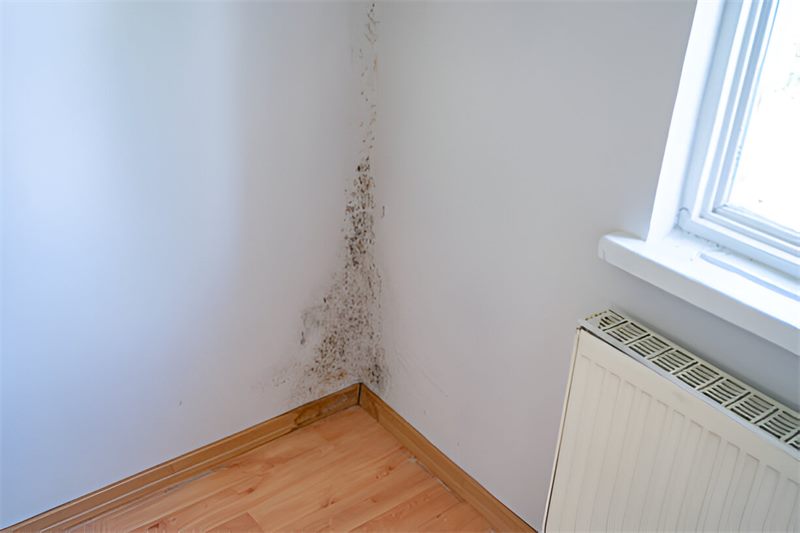
Condensation damp is the most common and is related to trapped moisture inside a house. A common sign is black mould, and it typically happens with a lack of insulation, heating or ventilation.
Rising damp typically affects ground floors. It occurs when moisture from the ground travels up through walls and floors, often due to a missing or failed damp-proof course.
Penetrating damp occurs when moisture enters through the building fabric, for example through a roof or wall defect. Identifying the likely source before repairs is important.
What does rising damp look like?
With rising damp you can often expect tide marks, peeling wallpaper and salt deposits. The plaster on your walls may start to crumble and you may notice a damp and musty smell.
In some bad cases during Level 2 and Level 3 home surveys, wooden skirting boards and floorboards can begin to rot due to exposure to moisture over a long time.
What is damp proofing?
Damp proofing is the term used for a range of techniques designed to stop moisture from entering a property through walls, floors or ceilings.
It is not just a single product or process. It is a general approach to protecting buildings from the long-term damage caused by damp. The right treatment depends on the cause, not just the visible patch.
Why a home survey is often better than a damp survey
When damp becomes a concern many homeowners or buyers are told to get a damp survey, but in reality a Level 2 or Level 3 survey is often the smarter choice.
A home survey looks at the bigger picture. It focuses on the entire property while a damp and timber report only focuses on moisture and wood decay.
Damp is rarely an isolated issue. A home survey can trace it back to underlying causes like poor roofing, damaged guttering or structural defects that a basic damp inspection might overlook.
Where an inspection is linked to selling a treatment, ask how the cause was identified and whether other explanations have been considered. Independent advice can help you decide which investigation or repair is appropriate.
How does a damp survey go?
Typically when a damp survey is booked the first step is arranging access with the property owner or estate agent. When the surveyor is on site they begin with an external inspection, move onto an internal inspection and then produce a report.
During the outside inspection the surveyor pays attention to rooflines, gutters, downpipes, chimney stacks and external walls. Anything of note is recorded and included in the report.
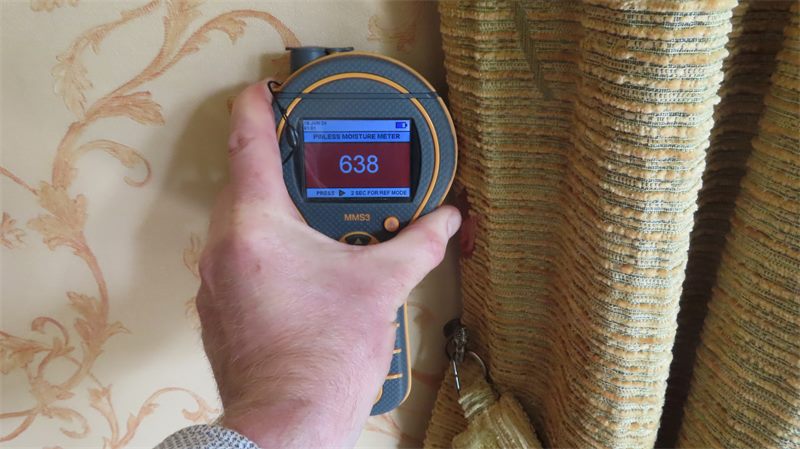
After completing the exterior check, the surveyor moves inside. An internal walkthrough begins with visual checks and the use of a damp meter to assess damp and investigate the root cause.
By profiling moisture levels throughout the house, the surveyor can build a clearer picture of where damp originates and how it is behaving.
The damp report
As the inspection finishes the surveyor will have photos and notes to reference in the report. This report normally outlines identified issues, likely causes, recommended solutions, specialist work required and repair priorities.
Recommendations may be simple, such as improving ventilation or fixing guttering, or more complicated, such as installing a new DPC or waterproofing a basement.
What is a damp proof course?
A damp proof course is arguably one of the most important components in a property’s structure, especially when it comes to preventing rising damp.
Think of a DPC as a barrier installed at low level in the walls of a building to stop ground moisture from travelling upwards. It is typically made from plastic and bitumen, but historically it has also been made from materials such as clay and slate.
If your house was built after 1875 it should usually have some form of DPC, although age, bridging, external ground levels and alterations can all affect performance.
How much does a damp survey cost?
If you are concerned about damp in your property, you are probably also wondering what a damp survey might set you back.
The cost of a damp survey varies with the size of the property, access and the scope of investigation. Ask for a written quotation that explains what is included.
How long does a damp survey take?
The time required depends on the size of the property, access and the extent of the concern. Confirm the inspection scope before booking.
If the survey includes a full damp and timber inspection, the surveyor may need more time to fully assess the condition.
Who pays for a damp survey?
If you are in the process of buying or selling a home and you have noticed a damp patch, it is natural to wonder who is responsible for covering the cost. The answer is generally the buyer.
Sellers are not required to carry out a damp survey but many do pre-emptively to avoid delays.
What happens if you ignore damp?
Damp may seem like a small problem at first, but left untreated it can progress into a serious issue that affects health and the structural integrity of your property.
Over time persistent moisture weakens bricks, plaster and mortar. It can cause plaster to crumble, paint to bubble, timber joists and floorboards to rot, and older structures to deteriorate.
Damp conditions are a dream environment for mould growth. Black mould can trigger asthma, breathing issues, skin irritation and chest infections, especially in children and elderly people.
Summary
In summary, we have discussed how damp can happen, some solutions and what you can expect going into a damp survey. A damp survey can be a great tool if it is what you need, but consider getting a home survey as the main priority is the entirety of your house, not just the damp.
If you are worried about damp in your home, a damp survey can give you peace of mind and a clear plan of action. However, for a more complete picture, consider starting with a full Level 3 Survey to uncover wider issues across the property.
Book your Level 3 Survey today and get the clarity you need to move forward with confidence.

Written by
Peter Hughes
Independent property guidance from Cadastral Home Surveys, focused on clear evidence, practical risk and confident buying decisions.
People also ask
Damp Survey FAQs
What is a damp survey?
A damp survey is an inspection focused on moisture, damp symptoms, likely causes and repair recommendations.
How much does a damp survey cost?
Cost depends on property size, location and the level of investigation. Ask for a written quotation for the specific property.
What are the main signs of damp?
Signs include tide marks, mould, peeling wallpaper, musty smells, crumbling plaster, damp staining and warped timber.
What is rising damp?
Rising damp is moisture travelling upward from the ground through walls or floors, often linked to a failed or bridged damp proof course.
What is penetrating damp?
Penetrating damp is moisture entering from outside, commonly through defective roofs, walls, gutters, flashings or openings.
What is condensation damp?
Condensation damp occurs when warm moist air meets cold surfaces, often creating black mould in poorly ventilated areas.
Is a damp survey better than a Level 3 survey?
A damp survey is useful for focused moisture concerns. A Level 3 survey is better where damp may be one of several wider building defects.
Does a damp survey include timber?
A damp and timber survey can include timber decay, woodworm and related moisture damage where required.
How long does a damp survey take?
A typical damp survey may take one to two hours, depending on property size and severity.
Who pays for a damp survey when buying?
The buyer usually pays, although sellers sometimes arrange one to avoid delays.
Further reading and references
Next step
Worried about damp before you buy?
Get independent advice on the whole property, not just the damp patch. We will help you choose the right survey.