Drone Survey | Costs and Benefits Explained
A clear guide to drone surveys, drone roof inspection costs, benefits, how they are conducted and when a drone-supported property survey is useful.
Reader orientation
In This Guide
A clear guide to drone surveys, drone roof inspection costs, benefits, how they are conducted and when a drone-supported property survey is useful.
Introduction
In this blog, we’ll explore what drone surveys are, how they’re done, the pros and cons, but most importantly, how they are transforming the property surveying game.
For homebuyers, roof and chimney issues can be difficult to judge during a viewing. A drone survey gives clearer visual evidence of high-level areas, helping you understand visible defects before you commit to a purchase or repair decision.
What are property drone surveys?
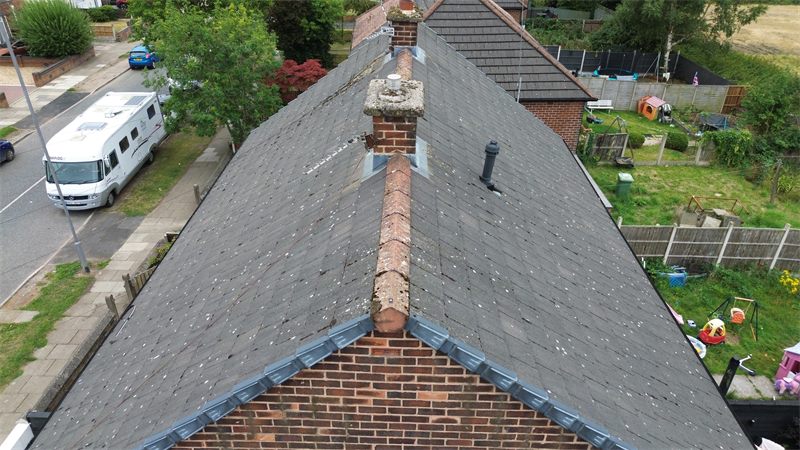
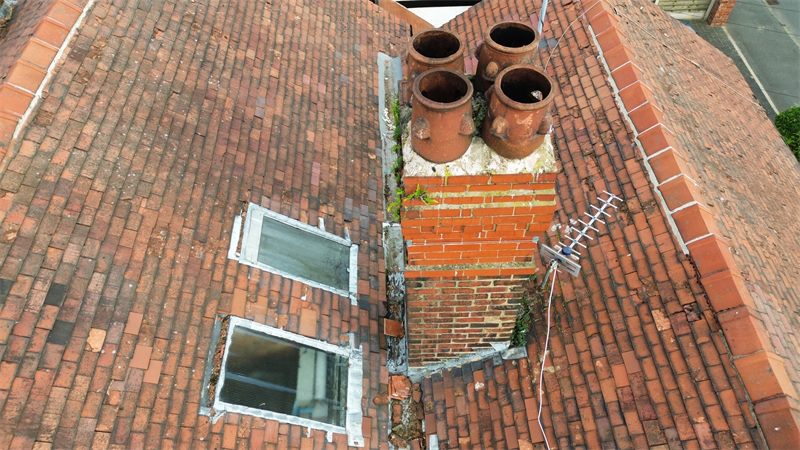
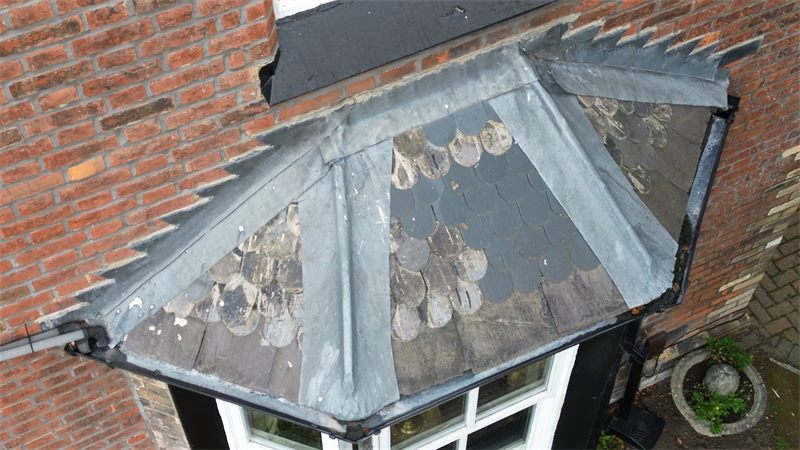
A drone roof survey uses aerial imagery to check visible areas of the roof and chimney. It may reveal damaged coverings, gutter issues, failed details or other concerns that need closer investigation.
Then the property surveyor will download and review the footage to confirm if there is any damage and report back on the report.
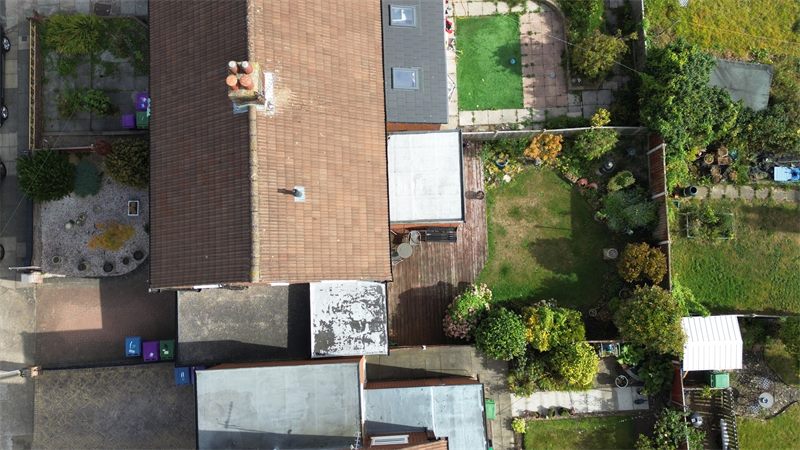
In practical terms, drone surveys are useful because they give the surveyor a better view of areas that may be unsafe, hidden or simply too distant to inspect properly from ground level. They are not just about attractive aerial photographs; they are about turning difficult access into clearer evidence.
How much does a drone roof inspection cost?
A roof survey fee depends on property size, location, accessibility and the scope of the report. Ask for a quotation that explains what will be inspected.
A Level 2 or Level 3 survey may provide wider property context than a focused aerial inspection. Whether drone imagery is included should be agreed for the specific instruction.
Cost should always be judged against context. A standalone drone roof inspection can be sensible for a specific roof concern, but where you are buying a property, a wider Level 2 Survey or Level 3 Building Survey may give better value because the roof is considered alongside damp, walls, services, internal condition and other visible defects.
Get a free quote
Save time and make informed decisions with our Cadastral home surveys.
If you are unsure whether you need a standalone drone survey, a roof inspection or a full home survey, send us the property details. We will help you choose the most sensible route rather than pushing you toward unnecessary work.
How are drone roof surveys conducted?
You wouldn’t necessarily believe it, but drone surveys have a meticulous planning process that ensures safety and achieving the end result, which is a clear video or photos that show the condition of the roof, gutters, and chimney stack. Let me break down how they plan it out and then manage the overall survey:
The operator of the drone starts with a flight assessment and then develops a precise flight plan to make sure that it runs smoothly. This flight assessment breaks down some potential issues the operator can run into. These issues can be restricted fly areas, weather conditions, layout of the property and obstruction such as power lines, trees or antennas.
Then, as the operator gets ready to fly over and around the roof, they collect images of the condition of the property, including any potential damage, wear and tear, or areas in need of maintenance.
After the flight takes place, the surveyor checks for damage and then advises the potential homebuyer on how to deal with the issues.
The benefits of drone surveys
Drone surveys offer unparalleled benefits in property surveying; the most obvious one is the pure efficiency. Taking a drone up to a roof is a lot clearer, and the images you get for an aerial view are much better than if someone is on the roof taking pictures.
There are also great benefits when it comes to safety: they provide a way for nobody to be on ladders or scaffolding to get a view of the condition of the roof; this saves time and labour costs; if someone was going to do it manually (without a drone), they would charge a lot more just for the added risks and time it takes.
For buyers, the strongest benefit is confidence. Aerial imagery can show whether a defect appears localised, whether gutters look blocked, whether chimneys are weathered and whether roof coverings show signs of slipping, distortion or deterioration.
When is a drone survey most useful?
A drone survey is particularly useful where a roof is tall, steep, fragile, extended, hidden from ground level or obstructed by neighbouring buildings. It can also help where a chimney stack, valley, flat roof or rear roof slope cannot be viewed properly during a normal inspection.
It is also useful when a contractor quote needs better photographs. Clear evidence gives everyone a more accurate starting point and can reduce misunderstandings about the location and extent of defects.
Drone survey vs full home survey
A drone survey can be excellent for roof and high-level evidence, but it does not replace the wider judgement of a home survey. A property may have damp, cracking, timber decay, external wall defects, drainage issues or internal movement that a roof-only inspection will not explain.
That is why Cadastral often recommends considering a Level 2 or Level 3 Survey when you are buying. You can still benefit from drone imagery, but the findings are placed into the wider condition of the whole property.
Final thoughts
In conclusion, drone surveys are revolutionising the property surveying industry with their efficiency, accuracy, and safety benefits. As this technology continues to advance, its role in property surveying is only set to grow; this will mean cheaper and safer surveys in the future.
Get a quote for a survey today. With our experienced team, you will be ready to take the next step to having a better understanding of your home’s condition and addressing any maintenance needs with confidence.

Written by
Peter Hughes
Independent property guidance from Cadastral Home Surveys, focused on clear evidence, practical risk and confident buying decisions.
People also ask
Drone Survey FAQs
What is a drone survey?
A drone survey uses aerial imagery to inspect roofs, chimneys, gutters and other hard to access areas where ground-level views are limited.
How much does a drone survey cost?
Fees depend on access, size, complexity and the scope of the report. Ask for a quotation for the specific property.
What is a drone roof inspection?
A drone roof inspection focuses on roof coverings, chimneys, flashings, gutters, valleys and visible roof defects using high-resolution aerial photographs.
Is a drone survey worth it?
It can be worth it where roof access is difficult, defects are suspected or clearer evidence is needed before buying or instructing repairs.
Can a drone survey find roof leaks?
It can identify visible defects that may cause leaks, such as damaged coverings, failed flashings or blocked gutters, but hidden leaks may still need further investigation.
Do I need a drone survey or a Level 3 Survey?
Choose a drone survey for a focused roof concern. Choose a Level 3 Survey for older, altered or higher-risk properties where the whole building needs detailed inspection.
Can drones fly in bad weather?
No. Safe drone operation depends on wind, rain, visibility, site constraints and local restrictions.
Will the report include photos?
Yes. Useful drone photographs can be included to show visible defects and explain repair priorities.
Is drone surveying safe?
Drone surveying can reduce the need for ladders or scaffolding for visual evidence, although every flight must be assessed for safe and lawful operation.
Can a drone survey replace a home survey?
Usually no. Drone surveys help with high-level external evidence, while a home survey assesses the wider condition of the property inside and out.
Further reading and references
Next step
Need clear roof evidence before you buy?
Get drone-supported inspection advice and understand whether a standalone drone survey or wider home survey is the right next step.